Using gaming tech in hospitality

We’re still busy getting the hang of the ever-changing face of Instagram, but now gaming is on the scene, do we need to get on the bandwagon?  

According to the well informed and well connected food tech people at YFood, you can buy yourself a little corner of say ‘Minecraft’, brand the bejesus out of it, and sell the gamers items of highly sought-after sportswear for their avatars via an ‘NFT’.  NFT stands for a ‘non-fungibel token’. For us oldies, it’s basically a cyber token that can be traded within the platform.

There are, however, other ways to infiltrate this type of tech. You can create simple games and competitions from your site or app that generate digital tokens that can be redeemed for actual products. For example: “Click on the QR code to spin the wheel and win a free meal to claim next time you visit us”.

In short, the message is that gaming engages your customers for far longer than reels or a static advertising. It keeps them on your website for longer and generates long term loyalty to the brand, guaranteeing return visits. The average age of a ‘gamer’ is 32 and half of gamers are female.  

Apparently, Shopify are building gaming features into its platform for developers. Soon this form of customer engagement will be available to all of us at an affordable price no matter the size of our brand or budget.

All said and done, there is the question of the morality of gluing us to the screen even more.

Still, we can’t stop progress (if this is what it is) and who can afford to be left behind?   
Share:

Twitter
LinkedIn
Facebook

Related Posts

The showroom looks great. But is the network keeping up?

Automotive brands put a huge amount of work into designing the right customer experience. The showroom looks sharp. The lighting is right. The signage is in place. The latest campaign is on display. The customer submits an online enquiry. So far, so good. Then nobody calls them back. Or they do, but ask the customer to repeat everything they have already entered online. Or the customer arrives at the dealership and nobody appears to know they

Read More »

A Dry Cappuccino – A Lesson in Customer Loyalty

A Dry Cappuccino – a Lesson in Customer Loyalty “What on earth is a dry cappuccino?” my husband asked as I was telling him this story. Well… it’s what we used to call a cappuccino. These days, if you simply ask for a cappuccino, you often get what is basically a café latte with a bit of foam on top. And while we’re on the subject, a lady came into the coffee shop and asked

Read More »

Silent Customer Joins SHARCC Group and strengthens its leadership team

Silent Customer joins SHARCC Group and strengthens its leadership team Silent Customer is delighted to announce that we have joined SHARCC Group, marking an exciting new chapter for the business. Since Silent Customer was founded in 2008, we have built our reputation by helping organisations understand the behaviours shaping their customers’ experiences. Our approach combines mystery shopping, customer insight, behavioural analysis and practical support, delivered with the personal and constructive style our clients know us

Read More »

Have training apps had their day?

Have training apps had their day? I think they probably have. We’re ‘apped out’. Of course, apps still have an important place for things like health & safety, risk assessments, food safety regulations and HR compliance. But beyond that, if you want your team to genuinely go above and beyond when looking after customers, especially in customer-facing roles, then the training needs to be human too. When I started Silent Customer back in 2008, the

Read More »

BYO – so, there’s a thought…

BYO – so there’s a thought… Conversations about an unlicensed local sushi bar encouraging customers to bring their own wine sparked debate about whether this should make a comeback. With costs spiraling and eating out becoming more of an occasional treat than a regular pastime with friends – and with more people staying at home – could corkage on BYO help make going out feel more affordable again? Would offering BYO give customers the impression

Read More »

Order-at-the-table-apps should generate more engagement, not less.

Order-at-the-table-apps should generate more engagement, not less. Tim Martin wrote an article about how apps are reducing customer engagement. But I actually see them as a fantastic opportunity to do the absolute opposite. I’m sorry, but how is having a stressed or disengaged server pressing buttons on a handheld device at your table any better than you inputting your own order into an app? No – apps are a great opportunity to save money on

Read More »

Reputation Management

Mystery Visits

Phone & Online Audits

Free Training Tools

Free Training Tools

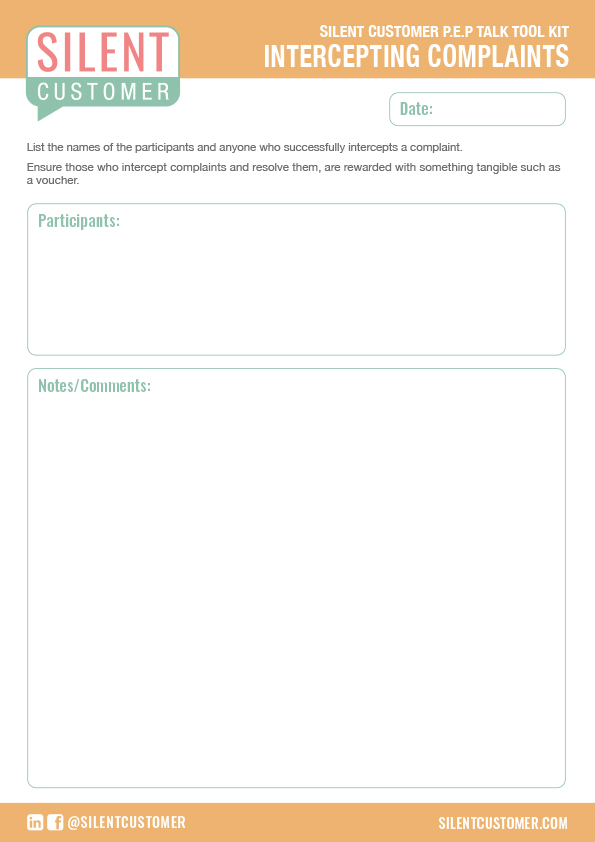
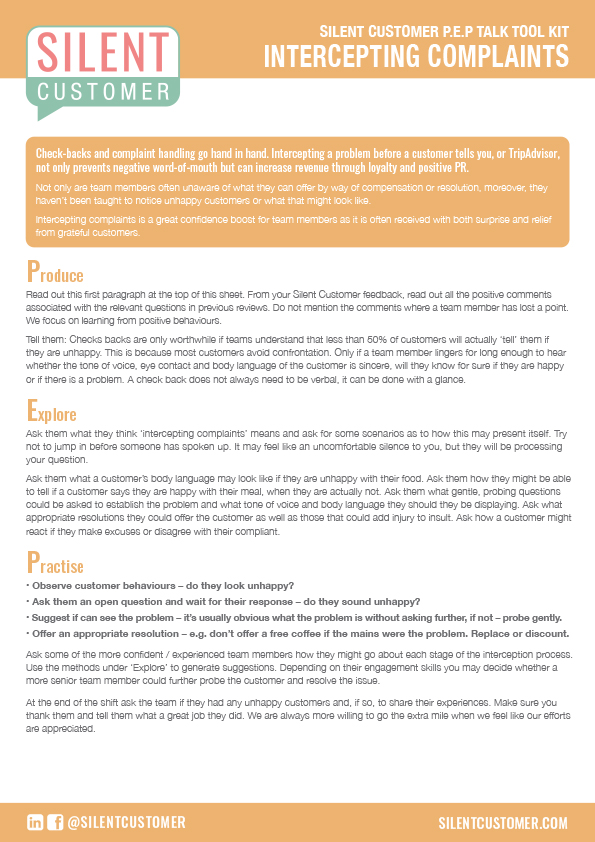
Intercepting Complaints

Check-backs and complaint handling go hand in hand. Intercepting a problem before a customer tells you, or Google, not only prevents negative word-of-mouth but can increase revenue through loyalty and positive PR.

Use our fun PEP talk sheets to support your front-line teams in learning how to avoid complaints.

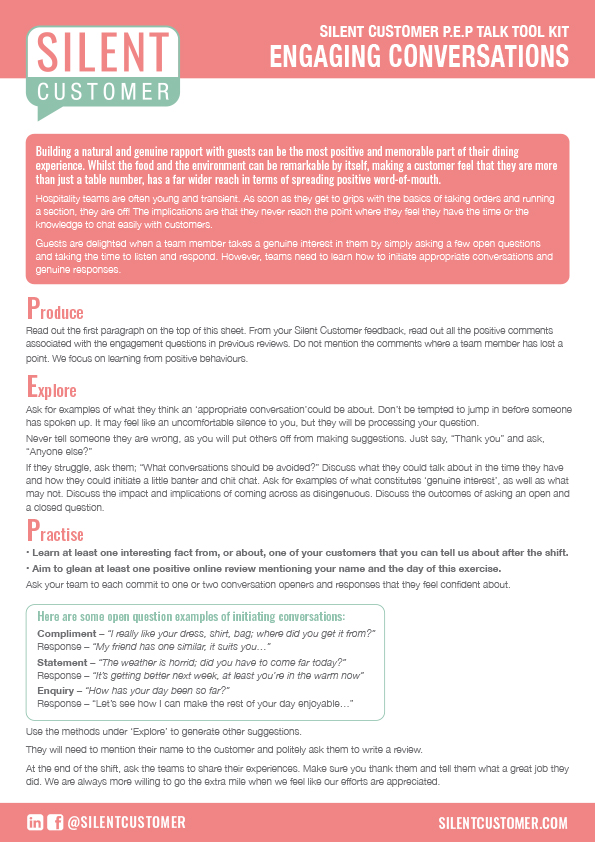
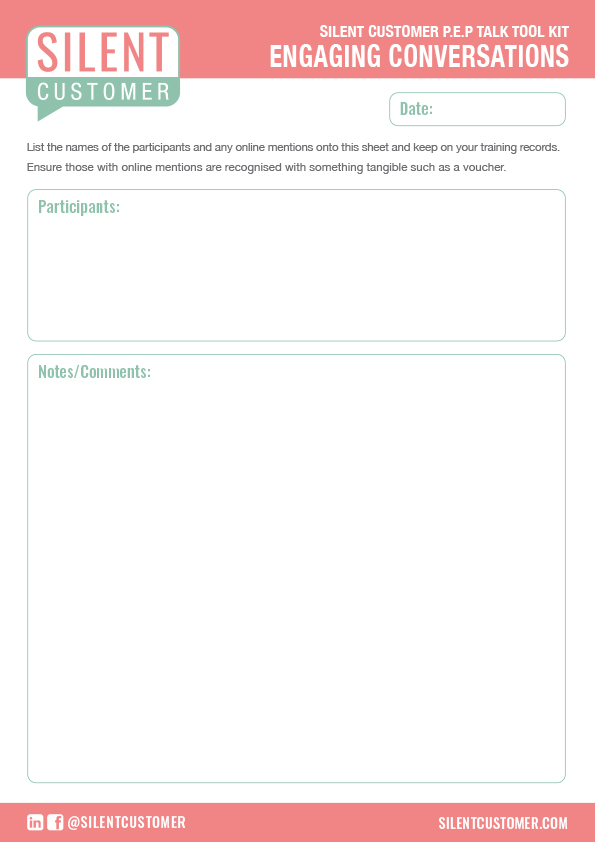
Engaging Conversations

Building a natural and genuine rapport with guests can be the most positive and memorable part of their dining experience. Whilst the food and the environment can be remarkable by itself, making a customer feel that they are more than just a table number, has a far wider reach in terms of spreading positive word-of-mouth.

Use our fun PEP talk sheet to support your front-line teams in learning how to have engaging conversations.

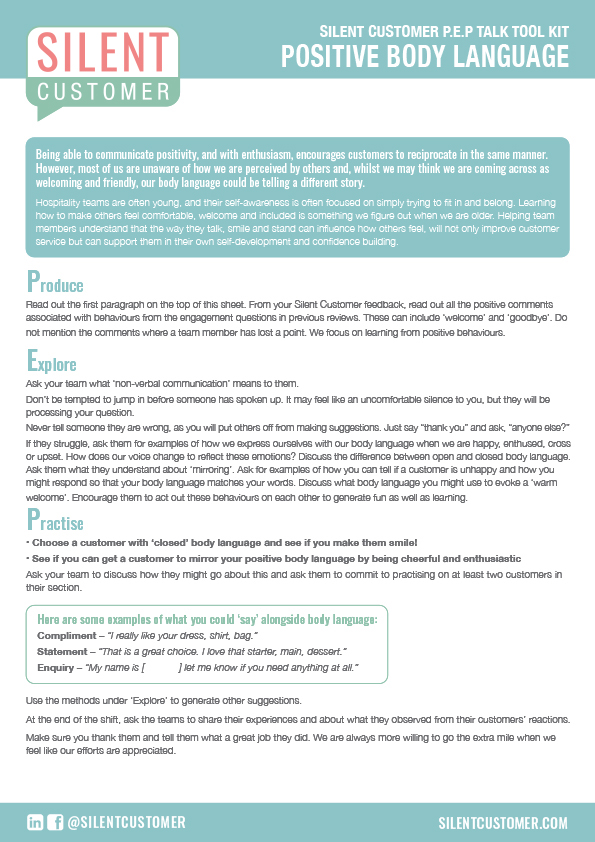
Positive Body Language

Being able to communicate positivity, and with enthusiasm, encourages customers to reciprocate in the same manner. However, most of us are unaware of how we are perceived by others and, whilst we may think we are coming across as welcoming and friendly, our body language could be telling a different story.

Use our fun PEP talk sheet to support your front-line teams in understand the importance of self-awareness.

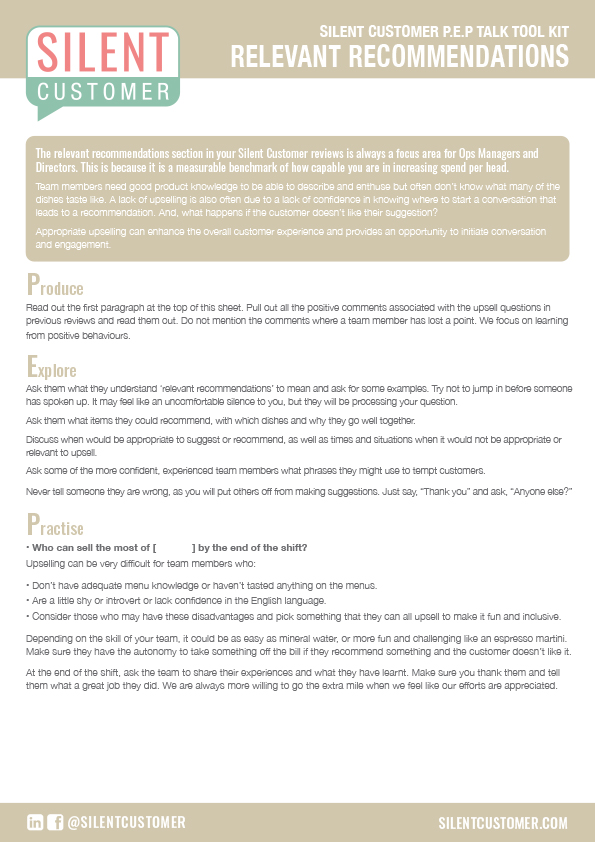
Relevant Recommendations

Team members need good product knowledge to be able to describe and enthuse, but often don’t know what many of the dishes taste like. A lack of upselling is also often due to a lack of confidence in knowing where to start a conversation that leads to a recommendation.

Use our fun PEP talk sheet to support your front-line teams in learning how to upsell.