Why use mystery shopping?
Reviews and surveys show how customers perceive an experience. Mystery shopping shows what happened during the journey, which observable behaviours shaped it and what teams can do next.
See it. Understand it. Act on it.
Three perspectives
Three ways to understand the customer experience
Use them together. Each provides a different kind of evidence.
Reviews
What customers share publicly
Ratings, comments and recurring themes can reveal changing sentiment and where to investigate further.
Surveys
What customers tell you directly
Structured feedback can show perceptions, expectations and where customers feel the experience succeeds or falls short.
Mystery shopping
What customers actually encounter
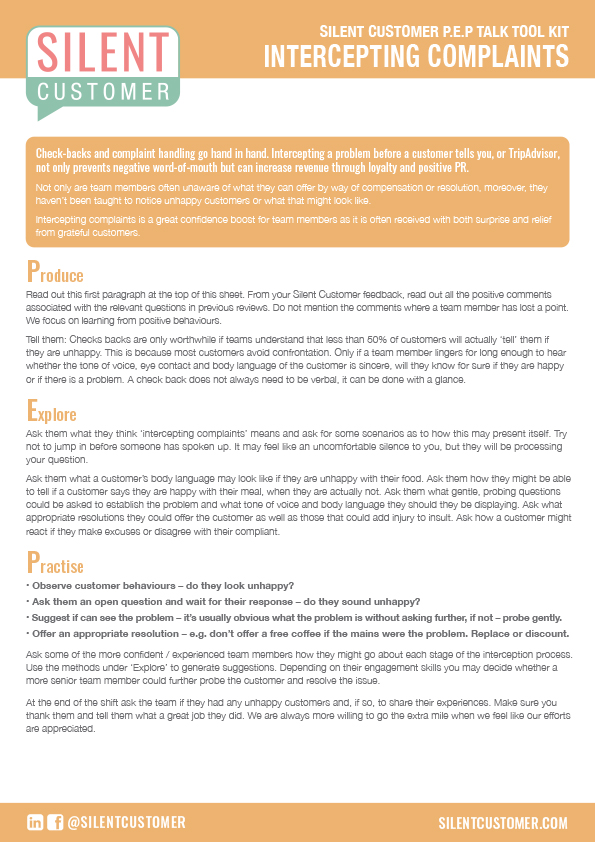
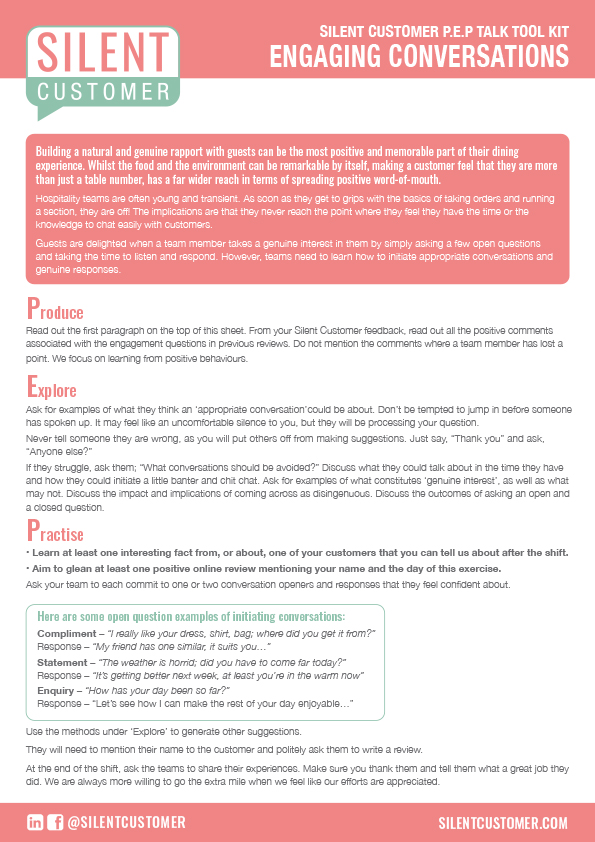
Factual journey evidence: what teams said and did, where standards were followed and which moments made the difference.
Already tracking reviews? See our reputation management service.
The benefits
What mystery shopping makes possible
01
Understand the journey as it is delivered
See how enquiries are handled, whether people get the information they need and what happens at important moments. Mystery shopping provides a consistent view of the journey customers actually experience, not simply the process written down.
02
Explain the gaps behind other feedback
A disappointing rating might highlight a problem without explaining the cause. Mystery shopping can show whether a welcome was missed, needs were understood, information was clear or the next step was agreed. It gives teams something specific to improve.
03
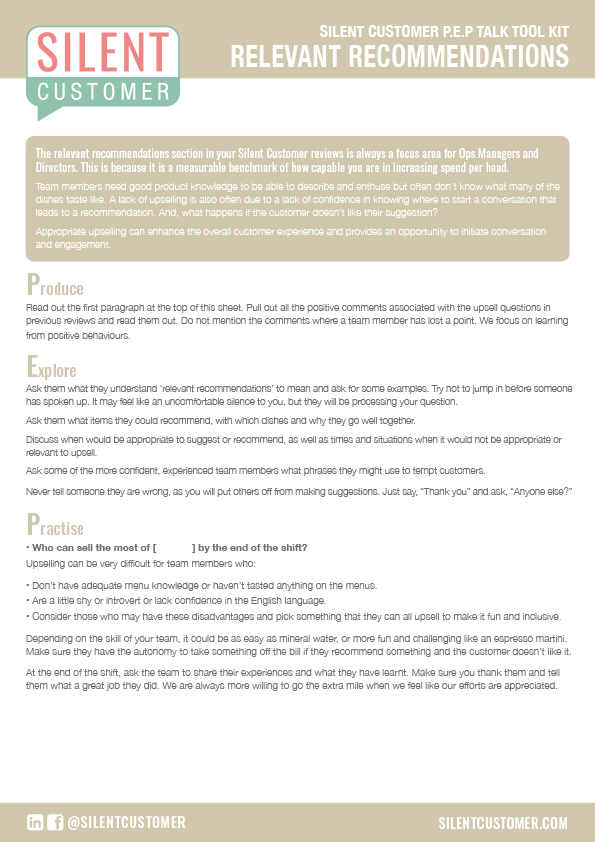
Identify missed commercial opportunities
Find where enquiries are not progressed, relevant recommendations are missed or follow-up does not happen. The aim is to understand the behaviours that may be affecting conversion, spend or retention, then focus coaching where it can make a difference.
04
Check standards, consistency and compliance
Understand how reliably teams follow important customer-facing processes and deliver required explanations. Use observable evidence to distinguish isolated errors from patterns that need clearer guidance, better processes or further training.
05
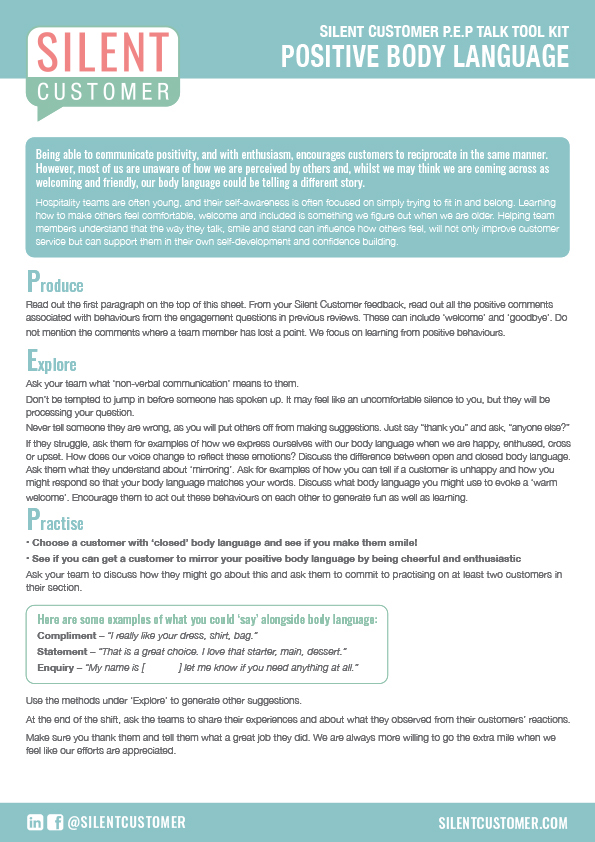
Recognise what good looks like
It is just as useful to identify the behaviours that work well. Fair, constructive feedback helps managers recognise good practice, share it with other teams and build coaching around real examples rather than assumptions.
06
Understand variation across sites and channels
Compare similar journeys using the same scenarios and measures. See where experiences differ between locations, teams or channels, and decide where extra support or investigation would be most useful.
07
Give every audience something they can use
Frontline teams need clear, manageable actions. Regional managers need patterns and priorities across locations. Leadership and L&D need the wider story and where to focus improvement. We shape the same evidence for each audience.
Illustrative examples
Two practical examples
Illustrative questions a programme could help answer across customer-facing sectors:
Enquiry handling
Why do some opportunities progress and others stall?
A consistent set of customer enquiries can check whether teams respond promptly, understand requirements, explain relevant options and agree a next step. This highlights behaviours worth recognising or coaching.
Journey consistency
Are customers getting clear, consistent information?
Comparable calls, visits or digital enquiries can show where information, accessibility, service standards or follow-up vary. The evidence helps distinguish a training opportunity from a process that needs changing.
These examples illustrate questions a programme could investigate. They are not attributed client case studies.
Measuring impact
How do you know it is working?
A score is a signal, not the end result. Start with the behaviours you want to improve, give teams practical actions and measure those behaviours again. Where relevant data is available, explore how the findings relate to measures such as conversion, customer feedback or spend, without assuming one caused the other.
“
Working with Silent Customer motivated an internal drive and focus on standards, which in turn generated an improvement in our Global Review Index (GRI) and most importantly, improved customer experience.
Lindsay Southward
Group Director of Operations and People, Village Hotels
Choosing the right evidence
When mystery shopping is not the right tool
If the question is mainly about customer sentiment or preferences, reviews, surveys or interviews may be more appropriate. If there is one specific issue to investigate, a focused set of journeys may be more useful than a large ongoing programme. We help choose the evidence that answers the question, rather than recommending visits for their own sake.
Explore more
Keep reading
Find out more about the service and where it can help.
What are you trying to improve?
Tell us which part of the customer journey matters. We will help identify the evidence you need and the behaviours worth measuring.