
Customer reviews tell you what people chose to say about an experience. Mystery shopping can examine what happened during an agreed customer scenario.
Both provide valuable information, but they answer different questions.
For businesses looking to improve customer experience, understanding the difference between mystery shopping and customer reviews can help determine where each approach adds value.
What are customer reviews?
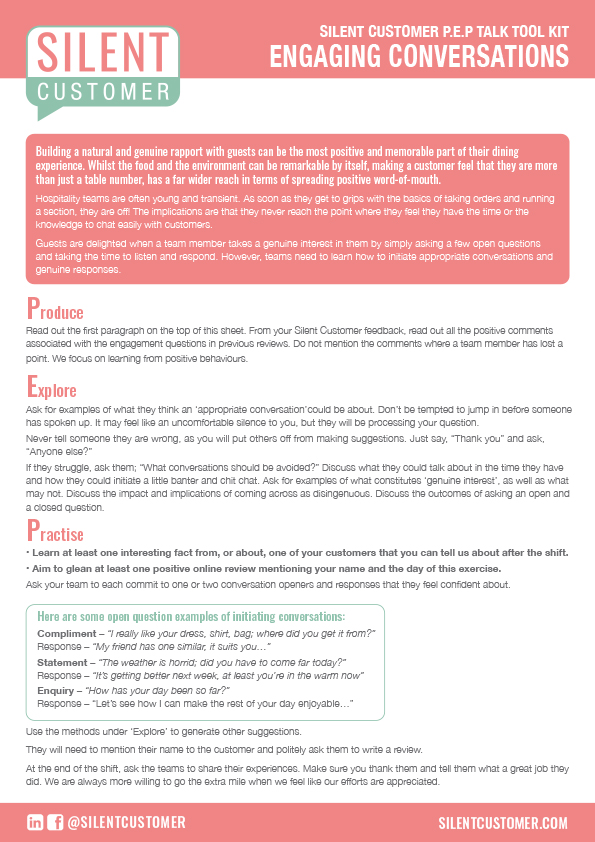
Customer reviews are feedback shared by people who have interacted with a business.
They can highlight positive experiences, recurring frustrations, service issues and customers’ overall perceptions of a brand.
When collected across multiple locations and over time, reviews can help businesses identify patterns in customer sentiment and understand how their reputation is developing.
However, reviews are usually voluntary. Businesses cannot assume that every customer will leave feedback, and the level of detail varies considerably.
A review might tell you that a customer was unhappy with a visit without explaining precisely what happened or which part of the experience could have been improved.
What is mystery shopping?
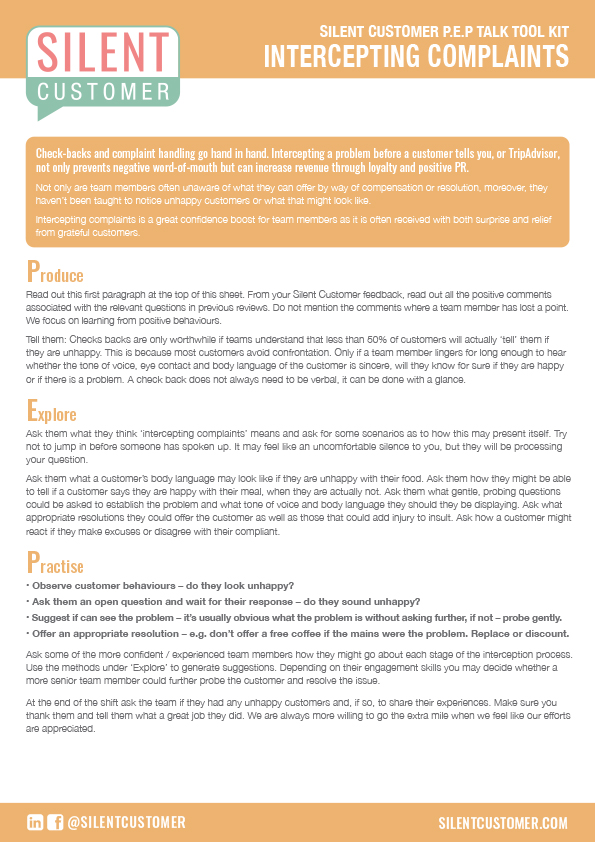
Mystery shopping involves trained assessors posing as customers to evaluate a specific experience against agreed criteria.
Depending on the programme, this could involve visiting a location, making a telephone enquiry, submitting an online enquiry or assessing another part of the customer journey.
The assessment is designed around the questions the business wants to answer.
For example, are enquiries answered promptly? Is information explained clearly? Are staff following the expected process? Are customers offered appropriate support?
Mystery shopping uses trained assessors who follow an agreed scenario and record observable behaviours against clear criteria. That provides structured evidence about particular stages of the journey.
Mystery shopping vs customer reviews: the key differences
Customer reviews are particularly useful for understanding:
- What customers choose to praise or criticise.
- Common themes in customer sentiment.
- How customers describe their overall experience.
- Issues that may be affecting a business’s reputation.
Mystery shopping is particularly useful for understanding:
- What happens at specific stages of the customer journey.
- Whether agreed service standards are being followed.
- How consistently interactions are handled across locations.
- Which behaviours or processes may need attention.
Neither method provides the whole picture. Reviews can highlight sentiment and emerging themes; mystery shopping tests defined touchpoints and behaviours in a consistent way.
Can businesses use both methods together?
Yes. In many cases, using both approaches provides a more rounded understanding of the customer experience.
Imagine a retailer receiving reviews that product advice varies between branches.
Review analysis can show how customers describe the issue. Mystery shopping can then assess whether staff ask relevant questions, explain suitable options clearly and check the customer has what they need.
Together, the two evidence sources help the business decide whether it is dealing with isolated frustrations, inconsistent behaviours or a process that needs closer attention.
The same approach can work across automotive, financial services, property, travel, hospitality and other customer-facing sectors.
Which approach should your business choose?
The right approach depends on the question you need to answer.
If you want to understand what customers are saying about your business, customer reviews are an important source of feedback.
If you want to assess specific interactions, processes or service behaviours, mystery shopping may be more suitable.
If you need to understand both customer sentiment and the experience behind it, combining the two can be particularly useful.
Turn customer feedback into practical improvements
For Silent Customer, the important step is converting these different sources of evidence into clear priorities, rather than adding another report to the pile.
Our mystery shopping work focuses on observable behaviours and practical outputs; reputation management provides a separate view of what customers are saying. They can complement one another.
Want to understand your customer experience more clearly?
Get in touch with Silent Customer to discuss whether mystery shopping, reputation management or a combination of both would suit your business.
https://www.silentcustomer.com/mystery-shopping/