Mystery dining isn’t just about dining incognito; it’s a tried and tested professional way to understand what a customer really experiences when they visit a restaurant. When written well, a mystery dining report not only highlights what’s working but also prompts improvements in service, food quality, and overall experience.
Here are some top tips on how to ensure you are writing a great mystery dining report:
1. Start with a Clear Brief
Knowing what you are being asked to look at when you are dining at a restaurant is the most important first step. At Silent Customer, our mystery diners are given a pre-designed questionnaire which we have created with our client in mind. This ensures that the feedback you give us will focus on areas that are important to the restaurant you are dining at. Make sure you read through the questionnaire and brief in full before you head to your venue.
2. Document the Experience Step‑by‑Step
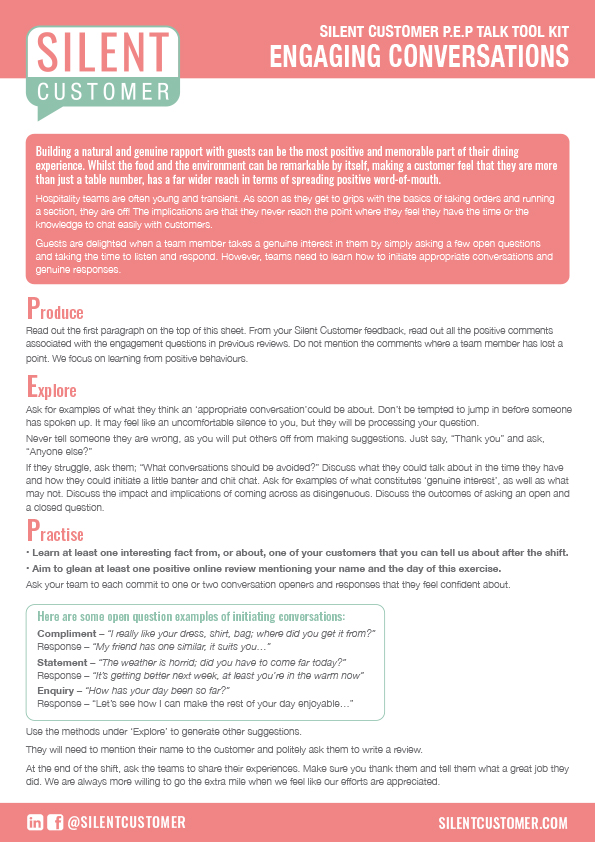
While on-site, try to take mental notes on every detail so that you don’t forget anything when you come to write your full report. Keep the information in the questionnaire in mind and think about areas such as:
- First impressions: cleanliness, ambience, staff presence
- Service flow: greeting, order time, checking back, upselling
- Product quality: food taste, presentation, consistency
- Engagement: were preferences understood, staff proactive?
- Timing: speed of service, pacing between courses, payment process
4. Keep Your Tone Balanced
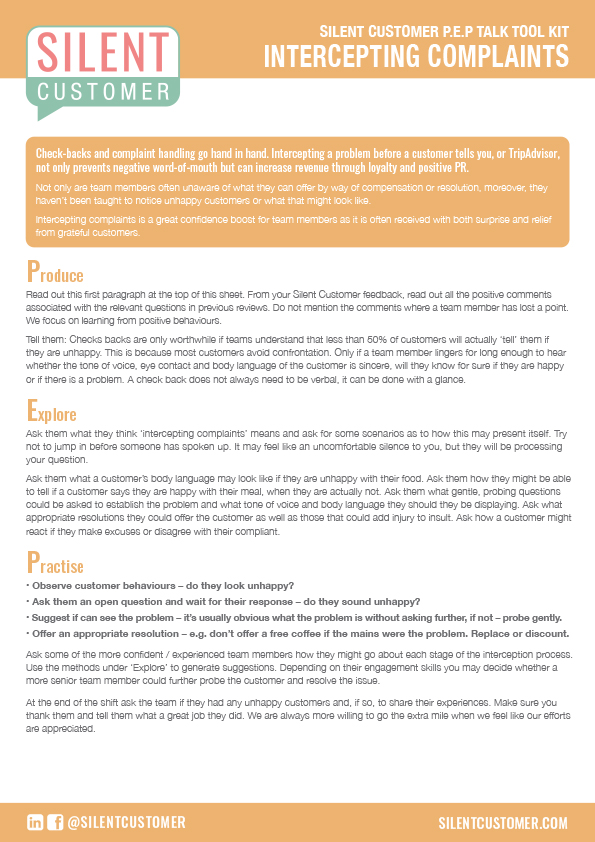
When you come to writing your report, it’s not just about identifying what went wrong; equally important is celebrating what went right. A well-rounded report builds credibility and helps teams feel motivated to improve rather than discouraged.
Celebrate Strengths
Start by recognising positive moments during the visit. This might include:
- A warm and genuine welcome from front-of-house staff
- Clean, inviting surroundings that reflect attention to detail
- Prompt and friendly service
- Good product knowledge or thoughtful menu recommendations
- A standout dish that was beautifully presented and delicious
Highlighting these strengths reinforces good practice, shows appreciation for well-trained staff, and helps hospitality teams understand what guests truly value. Positive feedback can be used in team briefings, training, and even as part of internal rewards programs.
Highlight Areas for Improvement
Constructive criticism is where real change begins, but how it’s delivered makes all the difference. Use clear, factual language to describe what could be improved. For example:
- “There was no mention of any specials or recommendations when we were seated.”
- “The waitress missed an opportunity to upsell drinks or desserts.”
- “There was a 15-minute delay between the starter being cleared and the main course arriving.”
- “The table wobbled slightly, and no one noticed or offered a fix.”
Always avoid harsh or emotional wording, and keep things neutral and professional. Where possible, pair the issue with a suggestion for improvement. This turns a problem into an opportunity.
The Power of Balanced Feedback
Balanced feedback doesn’t just help businesses improve; it boosts staff morale too. When team members feel seen for what they do well, they’re more receptive to learning where they can grow. This is one of Silent Customer’s core values; we use feedback as a motivational tool rather than a source of criticism.

5. Add Supporting Evidence
A strong mystery dining report doesn’t rely solely on memory or opinion; it’s backed up with clear, objective evidence. This not only strengthens your observations but also increases credibility and trust in your feedback.
Including evidence gives the business a more detailed picture of the guest experience and helps them verify the findings. It also allows managers to take action based on facts, not just perception.
Photos (When Allowed)
Photos can capture details that might otherwise be overlooked in written feedback.
Some useful examples include:
- A picture of the menu layout (useful for assessing readability, design, and promotion of upsell items)
- Photos of the food as served, highlighting presentation, portion size, or plating inconsistencies
- The restaurant environment, such as table settings, cleanliness, lighting, or promotional displays
- Any visual signage (or lack of it) that affects the experience (e.g., confusing entrance, unclear allergen info)
Tip: Ensure photo-taking is discreet so as not to compromise your mystery guest identity.
Timestamps
Where possible, make a note of exact times during key moments of the visit:
- Time you entered and were greeted
- Time it took to receive menus, drinks, starters, and mains
- Time between clearing and offering dessert or the bill
- How long it took to process the payment
Timestamps add a factual layer that helps identify patterns, such as slow service during busy periods or poor pacing between courses.
Example:
“We arrived at 6:45 PM and were seated by 6:47 PM. Our drinks order was taken at 6:55 PM and arrived at 7:10 PM. That’s a 15-minute wait for drinks with no communication from the staff during that time.”
Verbatim Quotes
Recording exact words used by staff can be powerful, especially when assessing service quality, compliance, or tone. Examples:
- “Hi there, just a heads-up, our chef’s special tonight is the grilled sea bass.”
- “Unfortunately, we don’t have any gluten-free options.”
- “Is there anything else I can get for you, or are you ready for the bill?”
These quotes help evaluate how well staff communicate with guests, upsell, handle dietary needs, or respond to feedback. They also bring authenticity and texture to your report.
Receipts & Transaction Details
If required by the brief, include:
- Receipts or itemised bills showing what was ordered, how items are described, and whether promotions were applied correctly
- Payment method and transaction times (e.g., how long it took to settle the bill or process a refund)
These details can expose pricing inconsistencies or gaps in staff training around payment processes.
Detailed Mystery Dining Reports from Silent Customer
At Silent Customer, a great mystery dining report is more than covert dining; it’s a structured, empathetic evaluation packed with data, photos, and actionable insight. With a strong brief, clear scoring, balanced feedback, and next‑step recommendations, your mystery dining report becomes a stepping stone for service excellence and customer loyalty.
If you would like to find out more about our mystery dining services and reporting, please don’t hesitate to get in touch with one of our friendly team.