Mystery Dining Assessments – How Does it Work?

If you’re thinking about running some mystery dining assessments but you’re not sure what that looks like. Read on!

Mystery dining assessments run in a similar way to mystery shopper, but they are usually run by hospitality specialists like Silent Customer. 

A brief is created for the mystery diners so they know what they must look out for and feedback on, and a detailed survey, with up to 100 questions, is created to reflect that.
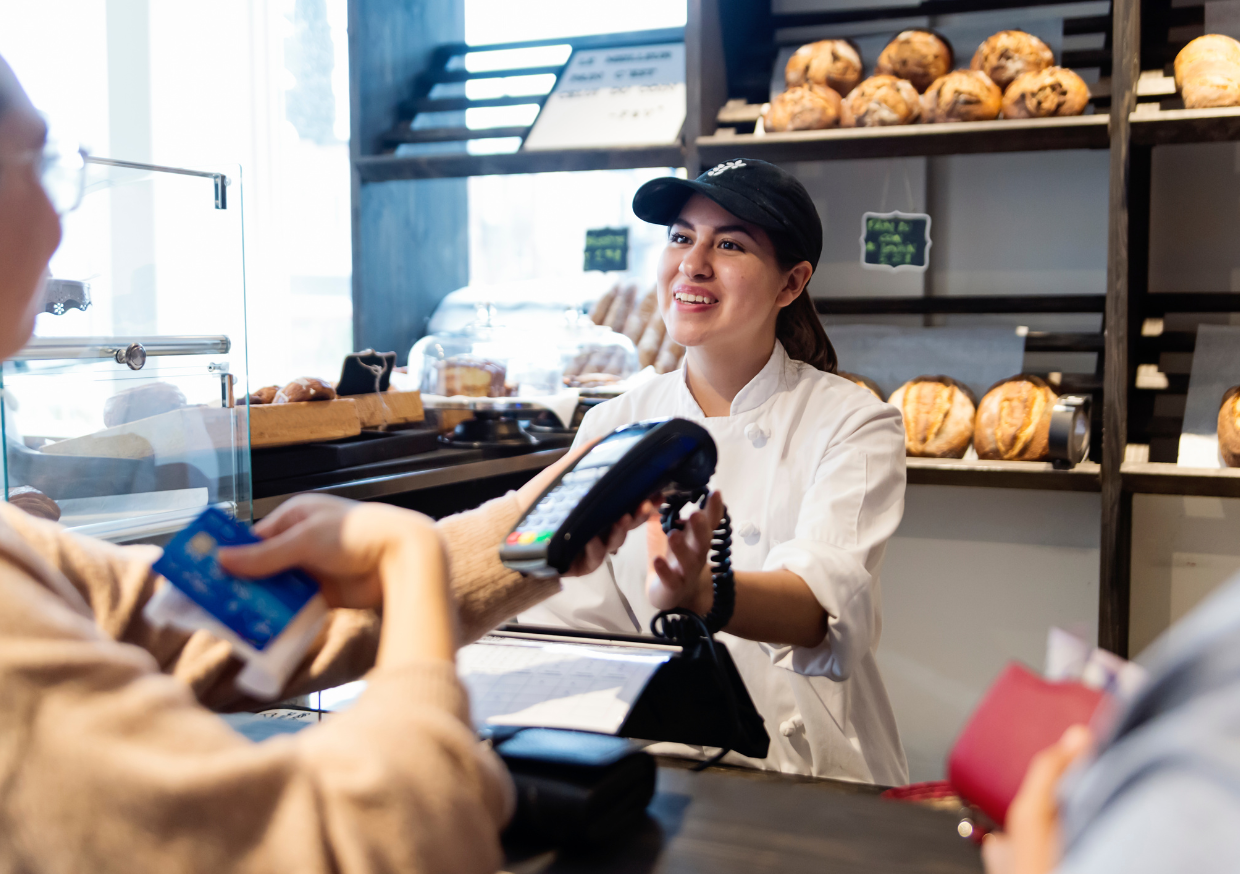
 

what is a mystery shopper


A mystery diner applies for the assessment and is selected on their suitability. After they covertly visit the location, they complete the survey and submit it to the quality controllers for checking and editing.  The survey is then emailed to the client and stored on the software so that cumulative data and be analysed across different areas of the business. The detailed feedback can include imagery, email correspondence and call recordings. It is often used for bonus related KPI’s .

Mystery dining assessments are an investment since they take time to set up and are labour intensive to run diligently so you do need to find the right mystery shopping company for you! 

If you only want to know the basics, through anecdotal feedback, and your budget is low, you might want to opt for a customer online review management software. These platforms pull reviews across and measure customer sentiment. Silent Customer has a fabulous platform that does this. While we recommend that you use both mystery dining assessments and online feedback aggregation and management, since the output is different, this feedback scraping is the bare minimum that any hospitality company should be using.     



If you are looking for deeper insight and are ready to action change within your business, then choose a mystery shopping company that understands your industry so that you can go beyond ticking the customer journey touchpoint boxes. Ask if their teams, who are going to design your surveys have the emotional intelligence, life experience and empathy to understand human behaviour and the challenges of the hospitably industry. Can they write questions that extract what customers felt about their experience? And, can they edit that into meaningful insight that the teams on the ground will accept positively?   

Silent Customer has been running mystery dining assessments with emotional intelligence for over 16 years. Call us to find out more.     
Share:

Twitter
LinkedIn
Facebook

Related Posts

BYO – so, there’s a thought…

BYO – so there’s a thought… Conversations about an unlicensed local sushi bar encouraging customers to bring their own wine sparked debate about whether this should make a comeback. With costs spiraling and eating out becoming more of an occasional treat than a regular pastime with friends – and with more people staying at home – could corkage on BYO help make going out feel more affordable again? Would offering BYO give customers the impression

Read More »

Order-at-the-table-apps should generate more engagement, not less.

Order-at-the-table-apps should generate more engagement, not less. Tim Martin wrote an article about how apps are reducing customer engagement. But I actually see them as a fantastic opportunity to do the absolute opposite. I’m sorry, but how is having a stressed or disengaged server pressing buttons on a handheld device at your table any better than you inputting your own order into an app? No – apps are a great opportunity to save money on

Read More »

Do GMs have a parental role?

Do GM’s have a parental role? In a word – Yes. Adults are really just grown-up children. We might not throw ourselves on the floor anymore, but we still have our versions of tantrums. Most of us keep them inside; a few make their displeasure known. Either way, angst and tears rarely help anyone. Remember Super Nanny? The meltdowns were almost always for the same reasons: 📍Parents hadn’t set clear expectations 📍They hadn’t modelled the

Read More »

Q: Why are my Google reviews disappearing?

A: In 2025 and 2026, Google has dramatically increased its moderation of business reviews. It appears this has ramped up in late January 2026. This means that many reviews – both positive and negative – are being removed from business profiles across all industries. This is a widespread issue affecting businesses globally, including restaurants, automotive, home services, retails and insurance agencies. The main reasons for these removals include: Automated moderation by Google’s systems, which uses artificial

Read More »

What is complex feedback and why do I need it?

Machine Learning v Human Learning. Machine Learning (AI as it has been branded) has been around for 20 years. It just didn’t have the funding or commercial focus to make money until recently. Currently, it tells us stuff that we tell it. It needs information and instruction to give an output, which mostly comes from us humans. The AI the majority of us have access to doesn’t learn further than how it has been programmed.

Read More »

Okay, it’s Fortnum’s, but EVEN SO!

This is Meghan and me on our annual Christmas pilgrimage to Fortnum’s. We do the rounds and then have a glass of bubbles and some mini sausages in the 3’6 Bar (never thought to ask why it’s called that). Anyway… later that day, I realised I must have left my phone on the sofa there. Doh! Mind you, if you’re going to leave your phone anywhere in London, right? The phone call. I phoned Fortnum’s,

Read More »

Reputation Management

Mystery Visits

Phone & Online Audits

Free Training Tools

Free Training Tools

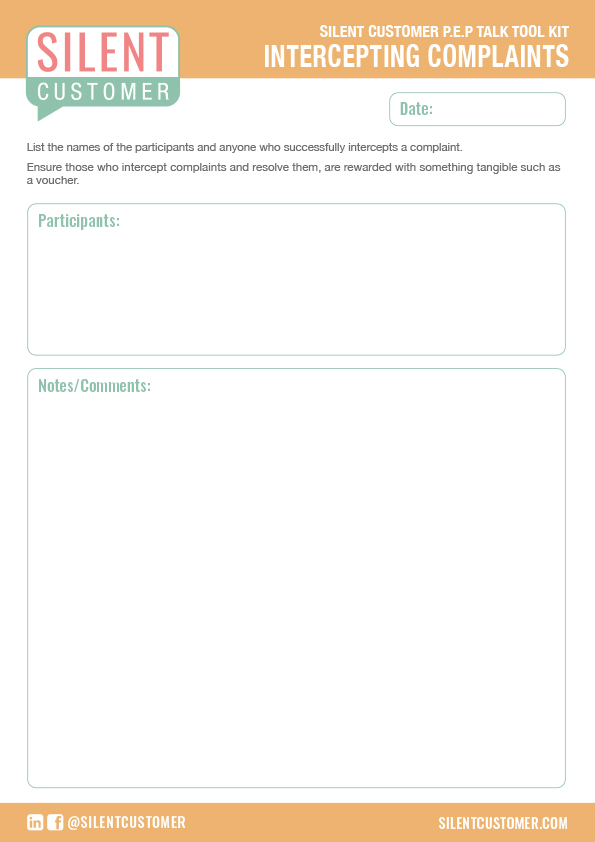
Intercepting Complaints

Check-backs and complaint handling go hand in hand. Intercepting a problem before a customer tells you, or Google, not only prevents negative word-of-mouth but can increase revenue through loyalty and positive PR.

Use our fun PEP talk sheets to support your front-line teams in learning how to avoid complaints.

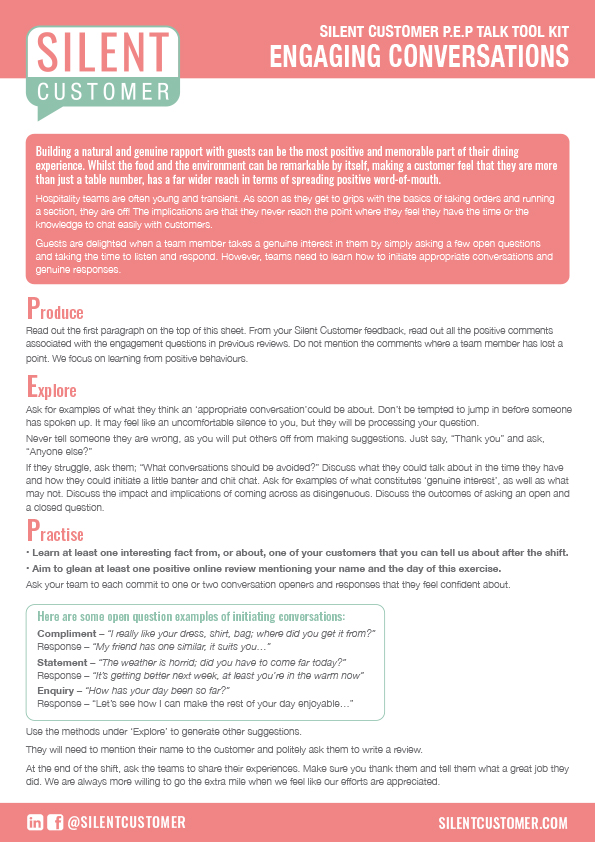
Engaging Conversations

Building a natural and genuine rapport with guests can be the most positive and memorable part of their dining experience. Whilst the food and the environment can be remarkable by itself, making a customer feel that they are more than just a table number, has a far wider reach in terms of spreading positive word-of-mouth.

Use our fun PEP talk sheet to support your front-line teams in learning how to have engaging conversations.

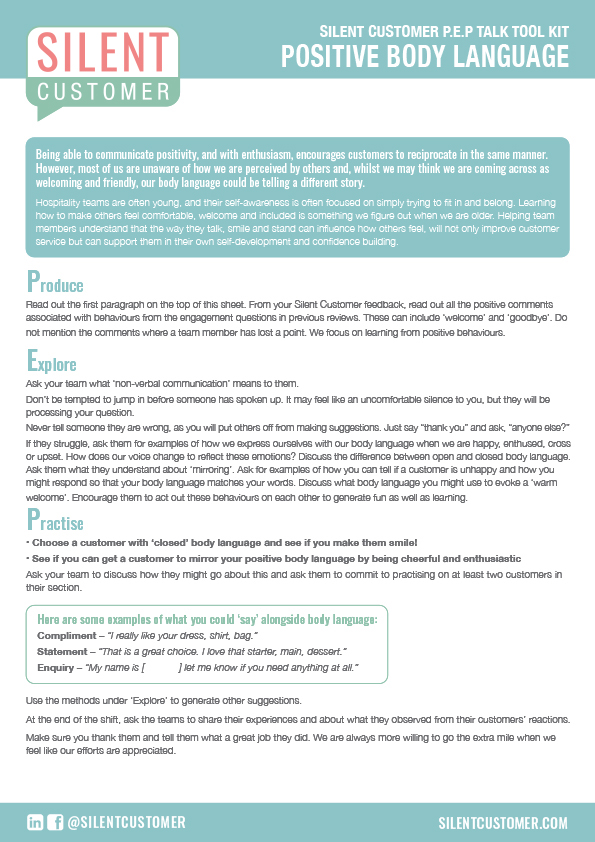
Positive Body Language

Being able to communicate positivity, and with enthusiasm, encourages customers to reciprocate in the same manner. However, most of us are unaware of how we are perceived by others and, whilst we may think we are coming across as welcoming and friendly, our body language could be telling a different story.

Use our fun PEP talk sheet to support your front-line teams in understand the importance of self-awareness.

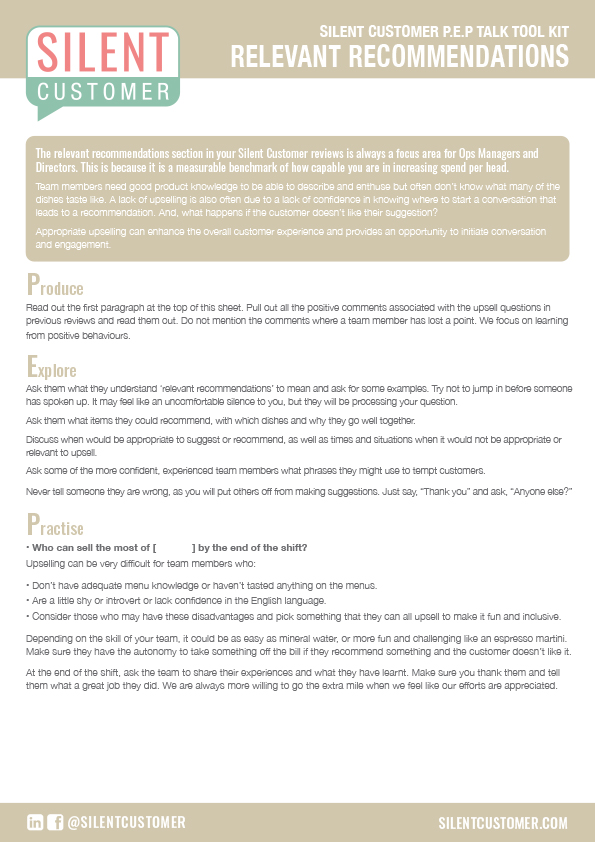
Relevant Recommendations

Team members need good product knowledge to be able to describe and enthuse, but often don’t know what many of the dishes taste like. A lack of upselling is also often due to a lack of confidence in knowing where to start a conversation that leads to a recommendation.

Use our fun PEP talk sheet to support your front-line teams in learning how to upsell.